

hypothesis™ Recommends a Barrier-First Approach to Summer Skincare for Eczema-Prone Skin
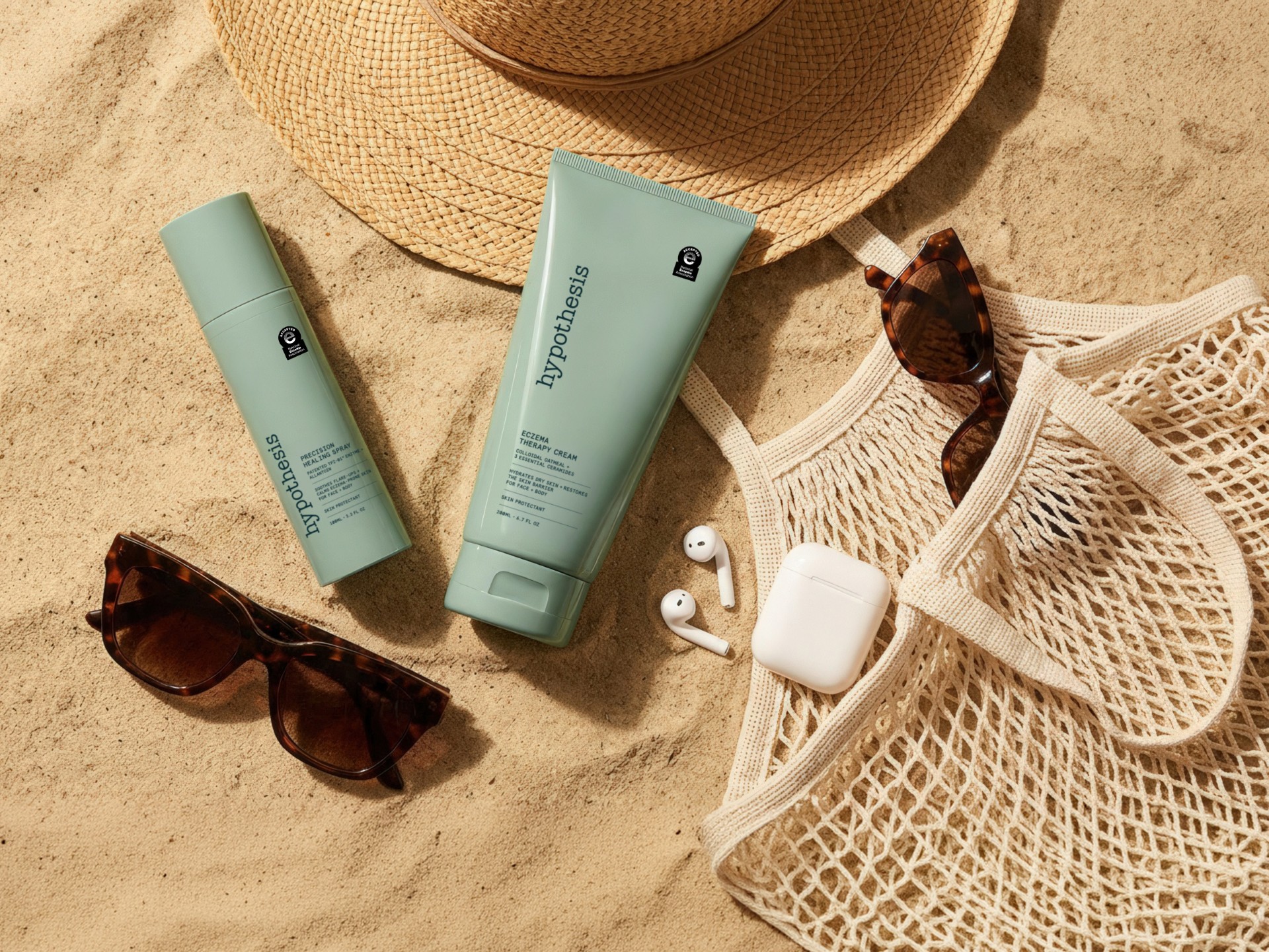
Summer skincare essentials from hypothesis™, featuring eczema therapy cream and healing spray

hypothesis™ logo
How Sun Exposure, Heat, and Sweat Can Stress Sensitive Skin — and What Helps Reduce Irritation Risk
Sun exposure can be tough for people with eczema. Ultraviolet light can weaken the skin barrier, while heat and sweat can further drive irritation, dryness, and inflammation.”
EMERYVILLE, CA, UNITED STATES, April 16, 2026 /EINPresswire.com/ -- As temperatures rise and outdoor activity increases, people living with eczema face a familiar seasonal challenge: summer conditions — including sun exposure, heat, and sweat — can place added stress on already sensitive skin.— Dr. Peter Lio, MD, board-certified dermatologist
“People with eczema often find summer one of the hardest seasons to manage. At hypothesis™, we believe the answer starts with the skin barrier — get that right first, and everything else, including sun protection, becomes more effective.”
— Oliver Liu, CEO and Co-Founder, hypothesis™
A Delicate Balance: Sun Exposure and Eczema
Sunlight plays a complex role in eczema. While controlled ultraviolet (UV) exposure is used in clinical settings to help manage symptoms, everyday sun exposure is less predictable. When the skin barrier is compromised, it loses moisture more easily and becomes more reactive to environmental triggers — increasing the likelihood of dryness, discomfort, and flare-ups.
Why Summer Can Trigger Eczema Flares
In warmer months, multiple environmental factors often act together: UV exposure can weaken the skin barrier; heat can increase inflammation; sweat can irritate sensitive skin, friction from clothing or activity can worsen symptoms. Together, these factors can contribute to the itch–scratch cycle commonly associated with eczema.
A Barrier-First Approach to Summer Skincare
hypothesis™ emphasizes starting with the skin barrier before adding sun protection. Gentle cleansing, consistent moisturizing, and barrier-supportive products can help the skin tolerate sunscreen better and reduce the risk of irritation. When skin is calm and well hydrated, sunscreen becomes easier to apply consistently — an important factor in effective sun protection.
Choosing an Eczema-Friendly Sunscreen
Not all sunscreens are equally well tolerated by eczema-prone skin. hypothesis™ recommends:
Using broad-spectrum SPF 30 or higher.
Considering mineral formulas (zinc oxide or titanium dioxide), when tolerated
Avoiding fragrance and alcohol, which can irritate sensitive skin
Applying moisturizer before sunscreen to improve comfort
Patch testing new products before full use
Sun-Smart Habits Matter
In addition to sunscreen, behavioral strategies can help reduce stress on the skin:
Avoid peak sun hours (10am–2pm)
Wear sun-protective clothing, hats, and sunglasses
Rinse off sweat after prolonged outdoor activity
The Role of Daily Skincare
Daily skincare remains the foundation of eczema management year-round.
hypothesis™ products, including its Eczema Therapy Cream, provide hydration to support the skin barrier — an important first step before sun exposure. The brand’s TPZ-01™ enzyme technology is designed for daily use to support overall skin balance as part of a consistent routine.
About hypothesis™
hypothesis™ is a microbiome-focused skin health company dedicated to restoring balance to the skin. Using patented precision enzyme technology, hypothesis™ develops targeted solutions designed to support barrier function and improve outcomes for people with eczema.
Products are certified by the National Eczema Association, EWG, MyMicrobiome Standard, and Leaping Bunny.
Learn more at hypothesis.bio.
Caroline Hadfield
hypothesis™
+1 510-365-4146
hadfield@innovationslab.us
Legal Disclaimer:
EIN Presswire provides this news content "as is" without warranty of any kind. We do not accept any responsibility or liability for the accuracy, content, images, videos, licenses, completeness, legality, or reliability of the information contained in this article. If you have any complaints or copyright issues related to this article, kindly contact the author above.
