

Chiropractors Turn to Red Light Therapy in Q2 2026 to Boost Patient Outcomes and Practice Growth
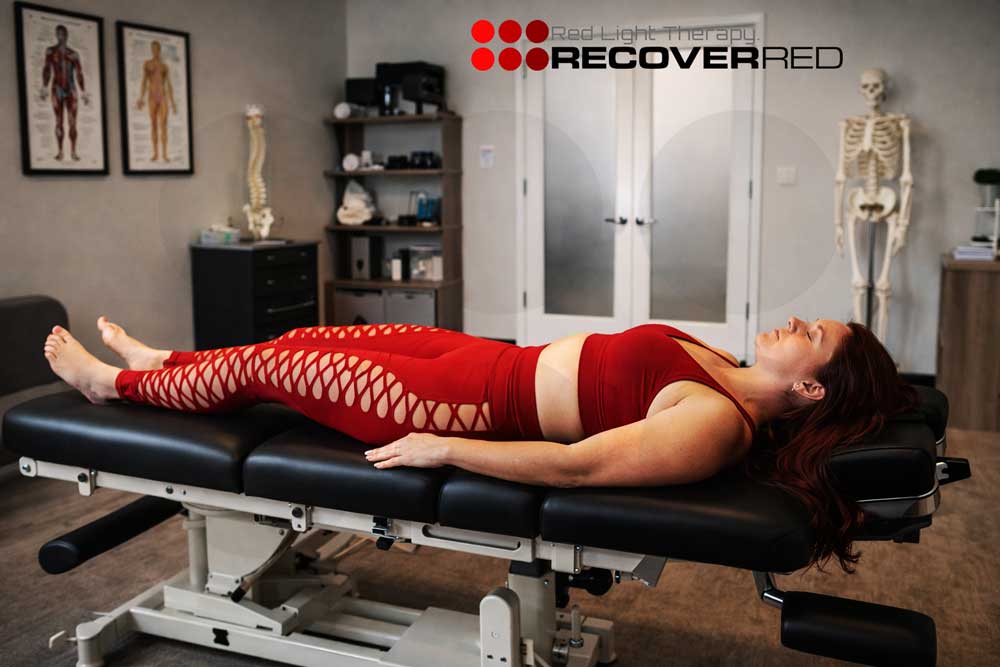
Chiropractic care Facility
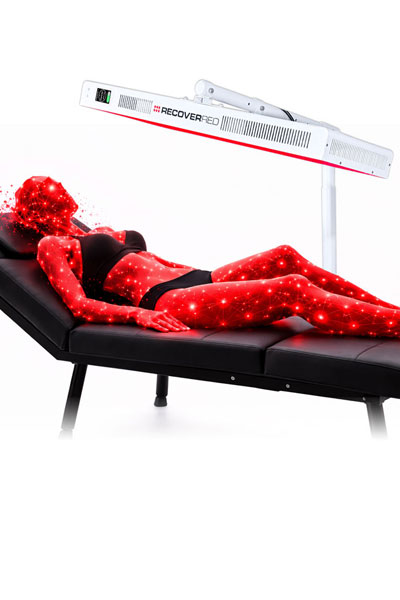
Demonstrating The Core red light device.
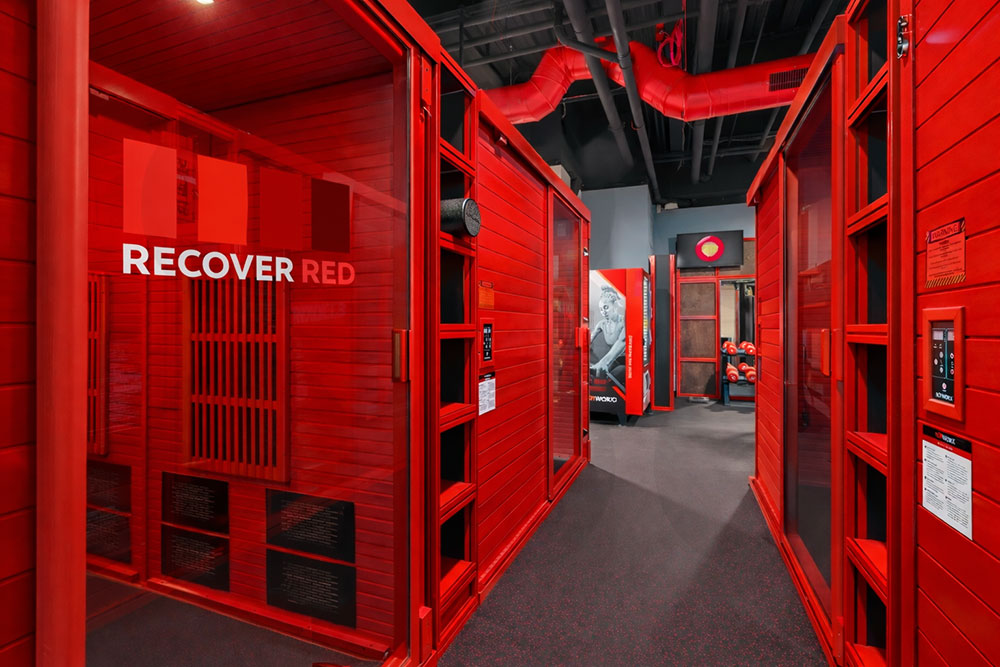
Turnkey Revenue stream with no additional staffing or complexity.
New integration models show how red light therapy supports patient results while creating scalable revenue for chiropractic clinics.
Indeed, demand for non-invasive, performance-based recovery solutions continues to increase. Chiropractic clinics are uniquely positioned to incorporate red light therapy into existing treatment procedures without disrupting workflow or amplifying operational complexity.
RLT is a Natural Extension of Chiropractic Treatment
Chiropractic care is fundamentally focused on restoring alignment, improving mobility, and supporting the body’s natural healing processes. Red light therapy is completely in line with this philosophy.
RLT works at a cellular level to support both tissue response and recovery. When applied before or after spinal adjustments, RLT can help improve circulation, regulate inflammation, and support mitochondrial activity. All of these are key factors in how the body responds to physical treatment.
By increasing the availability of cellular energy in the form of adenosine triphosphate, or ATP, red light therapy devices can support more efficient tissue repair and recovery. “Red light therapy doesn’t replace manual treatment, but it does reinforce it,” a Recover Red spokesperson said. “By supporting cellular function, it helps create an environment in which adjustments can be more effective and longer-lasting.”
Patients exposed to RLT alongside traditional chiropractic techniques regularly report improved comfort, enhanced mobility, and a more sustained response between visits.
Boosting Patient Outcomes by Supporting Recovery
Modern chiropractic patients are more likely than ever to seek treatments that go beyond symptom relief. Many are looking for a mix of long-term recovery, performance optimization, and preventative care solutions.
Red light therapy contributes to this shift by supporting multiple biological processes associated with recovery:
• Circulation Support – Improves blood flow to targeted areas, promoting oxygen and nutrient distribution
• Inflammation Regulation – Helps reduce excess inflammatory response following physical stress
• Cellular Energy Production – Stimulates mitochondrial activity to support tissue repair
• Muscle and Joint Response – Encourages more efficient recovery following strain or injury
These mechanisms can be particularly relevant in cases involving chronic discomfort, postural strain, soft tissue irritation, and repetitive stress injuries. While RLT is supportive rather than curative, data is revealing it to be key in improving consistency and patient results.
Seamless Integration Without the Complexity
One of the primary barriers to adopting new technologies in clinical settings is workflow disruption. However, red light therapy systems are designed to integrate into chiropractic practices with minimal operational impact.
A single dedicated room, or even a compact treatment area, is typically sufficient to introduce RLT into an existing clinic environment. Because patients can conduct their own sessions, there is rarely any need for continuous staff supervision.
This creates several practical advantages:
• No additional physical strain on practitioners
• Minimal staff involvement during sessions
• Ability to run treatments alongside existing appointments
• Increased patient throughput without added scheduling pressure
When it comes to expanding service offerings, labor costs and complexity are often seen as the biggest barriers. But RLT is highly accessible, easy to use, and requires little to no training on behalf of the chiropractic team.
Expanding Practice Revenue Through High-Demand Services
Beyond the clinical benefits, red light therapy presents a clear opportunity for revenue expansion. There is currently a growing demand for non-invasive recovery and wellness treatments.
In both chiropractic and non-chiropractic settings, patients are continuously seeking solutions for pain management, skin health, and performance recovery. By offering red light therapy in-house, clinics can meet this demand directly while increasing the value of each patient visit.
Because the service fits naturally with chiropractic care, adoption among existing patients is quite high. Moreover, offering RLT can attract new patients who are specifically searching for these services in their local area.
ROI in Chiropractic Settings
From a financial perspective, red light therapy is an ideal combination of efficiency and scalability. Operating costs are minimal and typically limited to electricity consumption. Because there are no ongoing consumables required, overhead is limited to the cost of the device.
This allows clinics to retain a high percentage of session revenue.
Industry benchmarks suggest:
• Session pricing – Commonly ranges from $50 to $100 per session
• Operating cost per session – Approximately $0.10 to $0.25
• Equipment investment – Varies depending on system size and output level
Because treatments require limited supervision and can be delivered concurrently with other services, clinics can maximize utilization without increasing staffing demands.
Extending Care Beyond the Clinic
In addition to in-office treatments, chiropractic practices can expand their role in patient care by offering at-home solutions.
By providing access to professional-grade red light therapy devices, clinics can help patients preserve consistency between visits. This supports ongoing recovery, comfort, and treatment compliance—key factors in realizing long-term outcomes.
It also provides an additional business opportunity through device resale, allowing clinics to generate revenue while reinforcing their treatment protocols outside the clinical setting.
Recover Red offers systems made for both in-clinic and at-home use, with the company’s two most popular models being The Core and The Beam. Along with Recover Red’s other offerings, these devices are engineered to ensure output integrity and support consistent treatment protocols, regardless of whether they are used in a clinical or residential setting.
An Efficient Model for Modern Chiropractic Care
As the chiropractic industry continues to shift toward integrated wellness and recovery models, technologies like red light therapy are becoming increasingly relevant. By combining clinical support with operational simplicity and scalable revenue potential, RLT offers a practical way for practices to evolve without overextending themselves.
The result is a more efficient and adaptable model:
• Enhanced patient experiences
• More consistent treatment outcomes
• Expanded service offerings
• Increased revenue per visit
Medical Disclaimer
This content is for educational purposes only and is not intended as medical advice. Red light therapy devices are not designed to diagnose, treat, cure, or prevent disease. Individuals should consult a qualified healthcare professional regarding specific medical conditions.
Media Contact
Recover Red
Website: https://recoverred.com
Don Pytel
Recover Red
+1 412-423-6090
email us here
Visit us on social media:
Instagram
Facebook
YouTube
TikTok
X
Legal Disclaimer:
EIN Presswire provides this news content "as is" without warranty of any kind. We do not accept any responsibility or liability for the accuracy, content, images, videos, licenses, completeness, legality, or reliability of the information contained in this article. If you have any complaints or copyright issues related to this article, kindly contact the author above.
